Sometimes words fall short. When you’re overwhelmed by stress, anxiety, or painful memories, it can be hard to explain what you’re feeling, or even know where to begin. This is where art therapy can help.
Art therapy is a form of creative arts therapy that uses the act of creating visual art, like painting, drawing, or sculpting, as a pathway to explore emotions, reduce stress, and foster healing. You don’t need to be artistic or creative to benefit from the approach. The focus isn’t on making something beautiful, but on healing through the act of creative expression.
So, What Is Art Therapy Exactly?
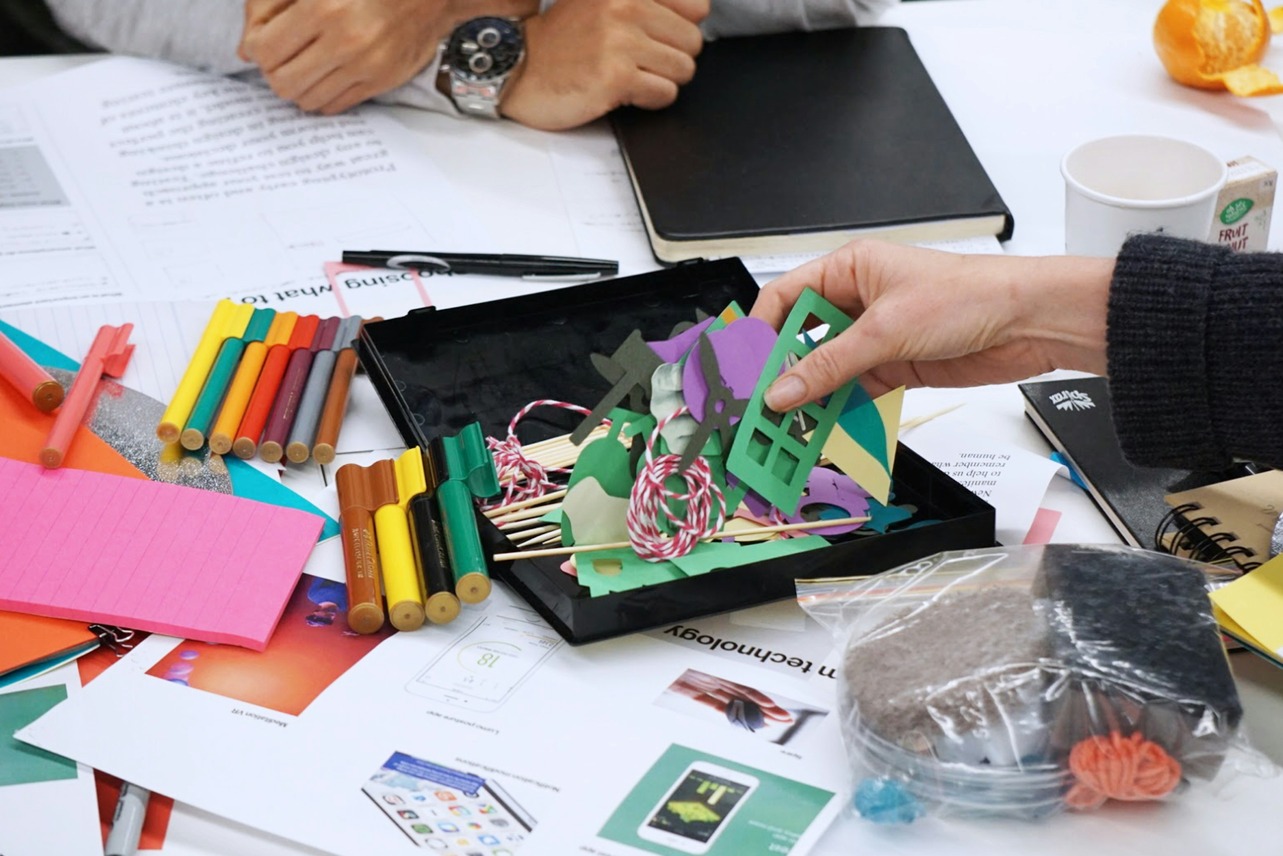
At its heart, art therapy combines the creative process with psychological support. A trained art therapist guides you in using materials like paints, clay, or collage to express feelings that may be difficult to put into words.
Through shapes, colors, and textures, your inner world can take form on the page or in your hands. Sometimes, the artwork itself holds meaning. Other times, it’s the process of creating that brings clarity, peace, or a sense of release.
The Benefits of Art Therapy
The benefits of art therapy extend far beyond the canvas. Research and lived experience show that art-making can:
- Reduce stress and calm the nervous system
- Help process and integrate traumatic experiences
- Provide new insights into thoughts, feelings, and patterns
- Strengthen coping skills and resilience
- Boost self-esteem and self-acceptance
- Offer a sense of empowerment through creative choice-making
For many, art therapy isn’t just about creating. It’s about reclaiming a sense of safety and agency in the midst of struggle.
The Impact of Art Therapy on Trauma
When someone has lived through trauma, words can feel limiting or even unsafe. Sometimes you don’t even know how to articulate your underlying emotions. Visual art offers another language for expression.
With art therapy and trauma work, individuals can:
- Externalize difficult emotions onto paper or canvas rather than keeping them inside.
- Build safety through gentle, structured activities.
- Develop healthier ways to cope with triggers or flashbacks.
This process allows the nervous system to slowly regulate, supporting healing at a pace that feels manageable.
Anxiety and Art Therapy
Living with anxiety can feel like your mind is constantly racing, or like your body never has a chance to fully relax. Anxiety therapy and art therapy often go hand in hand because the act of creating helps slow down the mind.
The rhythmic strokes of a paintbrush, the soothing repetition of doodling, or the tactile grounding of molding clay can bring relief in the moment, while also building long-term tools for emotional regulation.
What Happens In An Art Therapy Session?
Art therapy sessions look different for everyone. When working with a trained art therapist, your sessions will be personalized to you and your unique situation. However, there are some common art therapy activities which may include:
- Drawing or painting emotions: putting feelings onto paper with colors, shapes, or abstract forms.
- Collage: cutting and pasting images or words to explore identity, goals, or self-reflection.
- Sculpting or clay work: engaging the body through hands-on shaping and grounding techniques.
- Art journaling: combining images and words in a visual diary.
Again, it’s important to note that these art therapy techniques aren’t about skill or artistic talent. They’re about expression, exploration, and creating a bridge between the inner world and outer reality.
Who Can Benefit From Art Therapy?
Art therapy is effective across all ages, though it often looks different depending on the person:
Art Therapy for Children
Art therapy gives kids a safe, playful way to express feelings they may not yet have words for. Drawing and coloring can help them work through fears, sadness, or behavioral challenges.
Art Therapy for Teens
For adolescents navigating identity, friendships, and stress, art therapy provides a nonjudgmental outlet. It can be especially helpful for processing peer pressure, anxiety, or the ups and downs of self-esteem.
Art Therapy for Adults
Adults often turn to art therapy for support with trauma, anxiety, grief, or life transitions. It’s a way to reconnect with creativity while processing complex emotions in a grounded and supportive environment.
Finding Your Voice Through Art
At Marsh Psychotherapy, we believe art can be a powerful ally in healing. Whether you’re navigating trauma, living with anxiety, or simply searching for new ways to connect with yourself, art therapy offers a safe space to explore and grow.
You don’t need to be an artist, you just need a willingness to pick up a brush, a pen, or a lump of clay and see where the process takes you. Sometimes, the act of creating becomes the very path toward healing.
If you’d like to learn more about art therapy or explore how it may support you or your child, we’d be honored to talk with you. Book a free consultation today.
Share this story...
Marsh Psychotherapy offers a comprehensive range of therapeutic services, each designed to address the specific needs and challenges of our clients, including children aged 4-18, adults of all ages, the LGBTQ+ community, and couples. Our services are offered online throughout New York.
Book Your Free Consultation Today
We provide online therapy for New York residents. We accept many commercial plans, including NYCE PPO. We do not accept Medicaid or Medicare. Some plans may be out-of-network and/or have high deductibles and may cost $160 per session.