
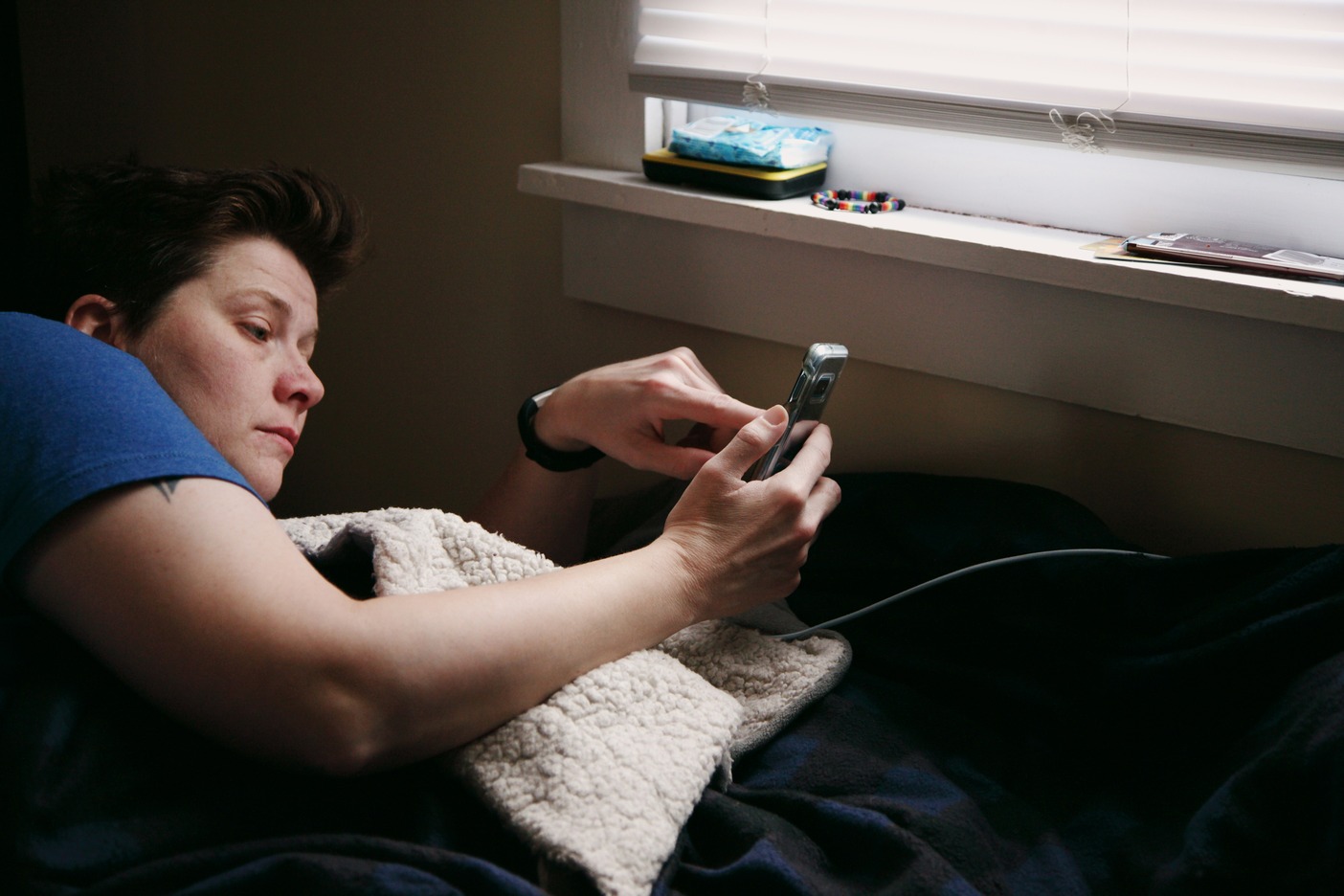
Most of us wake up to a screen. Before our feet touch the floor, we check messages, scroll headlines, or glance at social media. Throughout the day, our phones buzz with updates, notifications, reminders, and news alerts. By the time we try to rest, our minds are often still plugged in.
Digital wellness is not about rejecting technology or striving for a perfectly balanced screen time number. It’s about how your relationship with digital spaces affects your mental health, nervous system, and sense of self. When digital engagement begins to feel compulsive, overwhelming, or emotionally draining, it may be a sign that your system needs more care and intention.
Key Takeaways
-
Digital wellness means using technology in ways that protect your mental health, not drain it.
-
Constant exposure to social media and news can increase anxiety and overstimulation.
-
Small, intentional boundaries can help you feel more present, balanced, and in control.
What Is Digital Wellness?
Digital wellness refers to the intentional, mindful use of technology in a way that supports psychological well being rather than undermining it. It asks questions like:
- How do I feel after spending time online?
- Does this help me feel informed, connected, and grounded?
- Or does this make me anxious, depleted, and disconnected from myself?
Healthy digital use supports autonomy, rest, and meaningful connection. Unhealthy digital patterns often involve overconsumption, comparison, and constant mental stimulation that keeps the nervous system in a state of alert. Over time, this can contribute to anxiety, low mood, irritability, difficulty concentrating, and burnout.
Why Digital Wellness is So Hard
Digital wellness often sounds straightforward, but in reality it’s deeply challenging. Our digital environments are intentionally designed to capture attention, trigger emotion, and keep us engaged. Here are some factors that contribute to why so many people feel overstimulated, anxious, or depleted.
Social Media
Social media plays a significant role in this. Platforms are built to reward comparison, emotional intensity, and constant interaction. While social media can offer connection and creativity, extended use often increases anxiety, lowers self esteem, and fuels self doubt. Comparing your internal world to someone else’s curated highlight reel can quietly distort how you see yourself, especially when scrolling becomes a way to avoid discomfort or fill emotional gaps.
24/7 News Cycle
The nonstop news cycle adds another layer of strain. With global crises and breaking headlines always within reach, the nervous system rarely gets a chance to rest. Continuous exposure to distressing news can heighten fear, create a sense of helplessness, and keep the body in a state of chronic alert. Over time, this can show up as emotional numbness, rumination, or a persistent sense that danger is everywhere.
The Introduction of AI
Artificial intelligence further complicates digital wellness. While AI can increase efficiency and access to information, it also accelerates content production in ways that overwhelm attention and blur reality. The speed and volume of AI generated material can make it harder to slow down, verify sources, and think critically. This constant influx of information can contribute to mental fatigue and a growing sense of disconnection from one’s own judgment.
Why Boundaries With Technology Matter
Boundaries are not about restriction or punishment. They’re about being more intentional with digital consumption. Without clear limits, digital spaces can take up emotional and mental real estate that your nervous system needs for rest, reflection, and connection in the physical world.
Boundaries help restore a sense of agency. They allow you to choose when and how you engage, rather than reacting automatically. Over time, this can reduce anxiety, improve sleep, and support emotional regulation.
Some people fear that setting boundaries will mean missing out or becoming uninformed. In reality, boundaries often make engagement more intentional and meaningful.
How To Set Digital Boundaries
Setting boundaries does not require drastic changes. Small shifts can have a meaningful impact.
- You might begin by noticing patterns. Pay attention to how you feel before and after scrolling or consuming news. This awareness alone can guide change.
- Creating screen free transitions can also help. This might mean not reaching for your phone immediately upon waking, or setting aside time before bed that is intentionally offline to support rest.
- Limiting exposure to triggering content can be another powerful step. Curating your feed, muting certain accounts, or choosing specific times to check news can protect your emotional energy.
Boundaries work best when they are flexible and compassionate. The goal is not control, but care and intentionality.
Reclaiming Presence and Connection
At its core, digital wellness is about returning to yourself. It’s about creating space to feel, think, and connect without constant interruption. This does not mean disconnecting entirely, but rather building a relationship with technology that aligns with your values and supports your mental health.
If you find that digital overwhelm, social media use, or constant information intake is contributing to anxiety, low mood, or burnout, therapy can offer a supportive space to explore these patterns. Together, it becomes possible to understand what you’re seeking through digital engagement and how to meet those needs in healthier, more sustainable ways.
Digital wellness is not a destination. It’s an ongoing practice of awareness, choice, and self compassion in a world that is always asking for your attention. If you’d like support in your digital wellness journey, Marsh Psychotherapy offers online therapy throughout New York. Reach out for a free consultation.
Share this story...

Marsh Psychotherapy offers a comprehensive range of therapeutic services, each designed to address the specific needs and challenges of our clients, including children aged 4-18, adults of all ages, the LGBTQ+ community, and couples. Our services are offered online throughout New York.
Book Your Free Consultation Today
We provide online therapy for New York residents. We accept many commercial plans, including NYCE PPO. We do not accept Medicaid or Medicare. Some plans may be out-of-network and/or have high deductibles and may cost $160 per session.